


Why Bespoke Rugs Have Become Essential In Luxury Interior Design
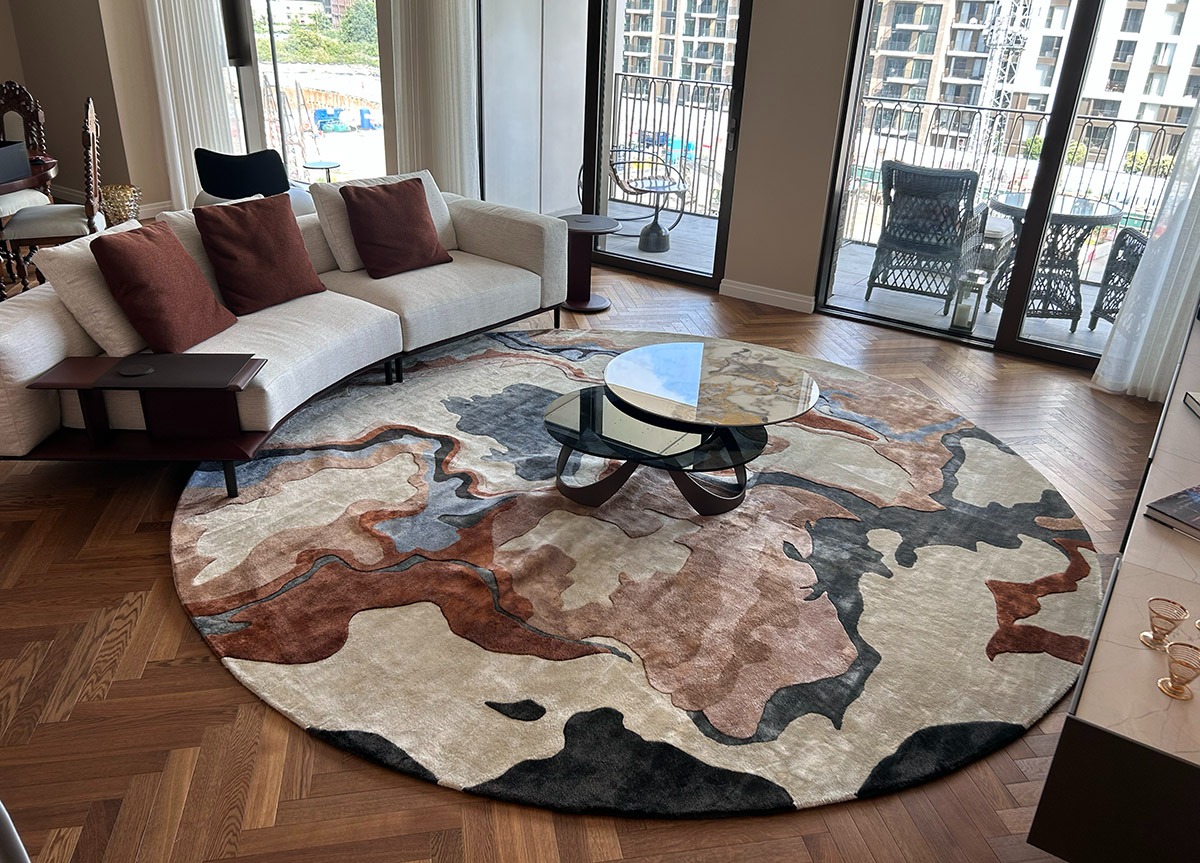
In modern interior design, rugs are no longer treated as secondary accessories placed into a room at the very end of a project. They are increasingly considered foundational design elements that influence layout, colour balance, acoustics, texture and the overall atmosphere of a space. A bespoke rug allows designers and homeowners to create something tailored precisely to the architecture and furnishing scheme, rather than trying to make an off-the-shelf size or colour work retrospectively. This is particularly important in London homes and contemporary apartments, where layouts are often irregular and every centimetre of space matters. A custom rug can help define zones within open-plan interiors, soften hard architectural lines and bring cohesion between furniture, lighting and materials. Unlike mass-produced alternatives, bespoke rugs also allow far greater control over material selection, pile height, edging, density and finish. The result is a piece that feels integrated into the room itself rather than simply placed within it.
The Advantages Of Choosing A Bespoke Rug Over Off-The-Shelf Options
One of the main advantages of bespoke rugs is the ability to create a piece that fits the exact dimensions of a room or furniture layout. Standard rug sizes rarely align perfectly with modern interior arrangements, particularly in open-plan homes, awkward alcoves or large entertaining spaces. A rug that is too small can make a room feel fragmented, while one that is too large may overpower the space. Bespoke sizing removes these compromises entirely and allows the rug to sit correctly beneath furniture, around architectural details or within a specific visual zone. Designers can specify dimensions that align precisely with seating layouts, dining tables, beds or circulation routes, creating a much more balanced visual result. Customisation also extends to colour, texture, pile height, material combinations and construction methods. This creates a rug that supports the room as a whole, rather than forcing the room to adapt around a standard retail piece.
Understanding The Different Types Of Handmade Rugs
The construction method of a rug has a major influence on its appearance, durability, softness and overall cost. Hand knotted rugs are often considered the highest level of craftsmanship because every knot is tied individually by hand. This process can take months depending on the complexity and size of the design, but the result is a highly durable rug with exceptional detail and longevity. Hand tufted rugs offer a different balance between craftsmanship, softness and production time, making them a popular choice for large contemporary interiors. Hand woven rugs tend to have flatter textures and a more understated finish, which can work beautifully in minimalist schemes or dining spaces. Each method has its own strengths depending on how the room will be used and how much detail the design requires. Understanding these differences helps ensure the finished rug is both beautiful and practical.
Comparison Table: Handmade Rug Types And Materials
| Rug Type | Construction Or Material | Feel And Texture | Durability | Best Suited To | Typical Price Level |
|---|---|---|---|---|---|
| Hand Knotted Rugs | Individually knotted by hand | Dense, detailed and luxurious | Exceptional | Luxury living rooms, formal spaces and statement interiors | Premium |
| Hand Tufted Rugs | Tufted by hand with a specialist tool | Soft, plush and contemporary | Very good | Bedrooms, lounges and large residential spaces | Mid to high |
| Hand Woven Rugs | Woven by hand on a loom | Flatter, textured and understated | Good to very good | Dining rooms, minimalist interiors and relaxed living spaces | Mid |
| Wool Rugs | Natural wool fibres | Warm, soft and resilient | Excellent | Living rooms, bedrooms and family homes | Mid to high |
| Silk Rugs | Natural silk fibres | Smooth, lustrous and refined | Moderate | Decorative rooms, formal interiors and low-traffic areas | Premium |
| Bamboo Silk Rugs | Bamboo-derived fibres | Silky, soft and subtly reflective | Good | Contemporary luxury interiors and bedrooms | Mid to high |
| Recycled PET Rugs | Recycled synthetic fibres | Versatile, practical and durable | Excellent | Family homes, children’s spaces and outdoor areas | Mid |
Choosing The Right Rug Material For Your Interior
Material selection plays a critical role in both the visual appearance and long-term performance of a rug. Wool remains one of the most popular options because it is durable, soft and naturally resilient. High-quality wool rugs maintain their appearance well over time and provide excellent comfort underfoot. Wool is also naturally insulating and helps improve acoustics within larger spaces, making it particularly suitable for living rooms, bedrooms and open-plan environments. Silk offers a more refined and reflective finish, often used where the priority is elegance and visual depth. Bamboo silk has become increasingly popular because it offers a similarly soft sheen while remaining well suited to contemporary interiors. Recycled PET can be a practical choice for family homes, children’s rooms and areas that need a more durable, easy-care option.
Colour Matching And Interior Design Coordination
One of the most valuable aspects of bespoke rug design is the ability to coordinate colours precisely with the wider interior scheme. Rather than selecting from limited standard colourways, bespoke rugs can be matched to paint references, fabrics, cabinetry and architectural finishes. This creates a more cohesive and sophisticated overall design outcome, especially in rooms where the rug needs to sit alongside bespoke furniture, upholstery or wall colours. Our rugs can be colour matched to Farrow & Ball, Little Greene, Pantone and RAL references, giving designers and homeowners a much greater level of control. This is especially valuable when working with layered neutral palettes, tonal interiors or rooms where a precise accent colour is required. Texture also affects how colour is perceived, as wool, silk, bamboo silk and viscose will each catch the light differently. Sampling is therefore an important part of the process, allowing colours and materials to be viewed properly before the rug is made.
The Role Of Bespoke Rugs Within A Full Interior Design Service
Bespoke rugs work most effectively when they are considered as part of a complete interior design strategy rather than isolated decorative pieces. A rug influences furniture placement, circulation flow, acoustic comfort and visual zoning throughout a space. In open-plan homes, rugs are especially useful because they help define areas without the need for walls or partitions. A well-designed rug can anchor a seating arrangement, soften a dining space or create intimacy within a larger room. When included within a full interior design service, the rug can be coordinated with furniture, lighting, cabinetry, upholstery, paint colours and architectural finishes from the beginning. This results in a more intentional and cohesive interior, where every element feels connected. For clients looking for a more guided process, remote consultations and showroom appointments can support everything from initial concept through to colour matching, sampling and final specification.
Why Bespoke Rugs Can Offer Better Value Than Traditional Luxury Rug Retailers
Many clients assume that bespoke rugs automatically cost more than buying from a traditional luxury rug retailer, but this is not always the case. Depending on the size, material and construction method, bespoke rugs can often be supplied at up to half the price of comparable pieces from some other luxury rug retailers. This does not mean compromising on quality; instead, it often reflects a more efficient sourcing and production route. Clients can still access handmade craftsmanship, premium materials and tailored design, but without the same level of traditional retail markup. This makes bespoke rugs particularly attractive for larger projects, trade clients and homeowners who want a high-quality result without paying inflated showroom prices. The key is to compare like-for-like quality, construction, fibre content and finish rather than judging on price alone. A well-specified bespoke rug can offer exceptional value because it is made precisely for the space, rather than being an expensive compromise.
Showroom Visits, Samples And Remote Consultations
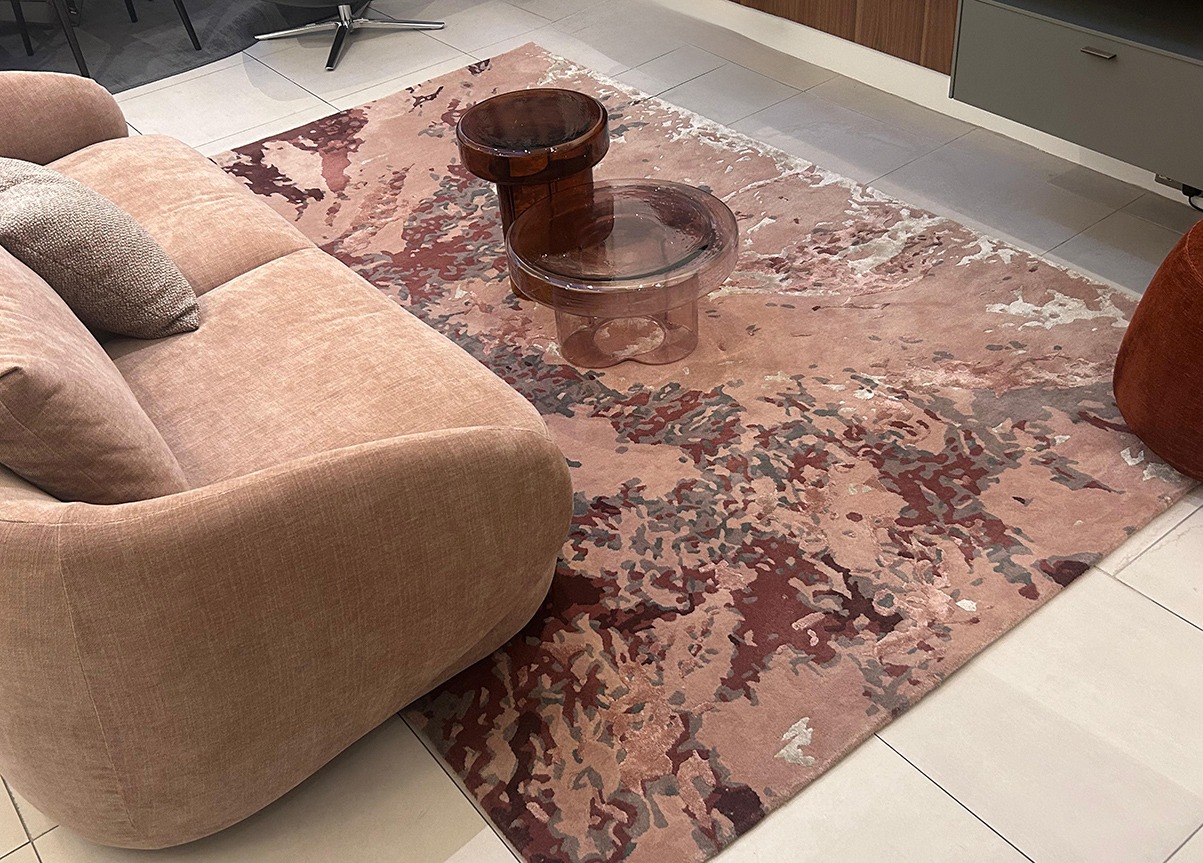
Because rugs are tactile, it is useful to see and feel materials before making a final decision. A showroom visit gives clients the opportunity to view selected rug examples, understand different construction methods and compare textures in person. With four to five rugs on display, clients can get a clearer sense of scale, finish and material quality before beginning a bespoke design. Physical samples are also valuable because they allow colours, pile heights and fibres to be assessed properly within the context of a wider design scheme. For clients who cannot visit the showroom, remote consultations are also available, making it possible to discuss requirements, review inspiration and organise samples from a distance. This is particularly helpful for interior designers, developers and homeowners managing projects outside London. Whether in person or remotely, the consultation process helps remove uncertainty and ensures the finished rug is specified correctly.
Bespoke Rugs For Children’s Rooms, Family Homes And Everyday Living
Bespoke rugs are not only suitable for formal living rooms and luxury reception spaces. They can also be designed for children’s bedrooms, playrooms and busy family areas where durability and comfort are important. Children’s rugs can be made in custom sizes, colours and playful patterns while still using high-quality materials that suit the practical demands of everyday life. Wool is often a strong choice because it is naturally resilient, while recycled PET can be considered for areas that need extra durability. Bespoke design also allows parents and designers to create rugs that feel charming and age-appropriate without looking overly generic. Colour matching can help these rugs coordinate with nursery schemes, bedroom furniture or painted joinery. This is a good example of how custom rugs can be both practical and highly personal.
Working With Interior Designers, Architects And Trade Clients
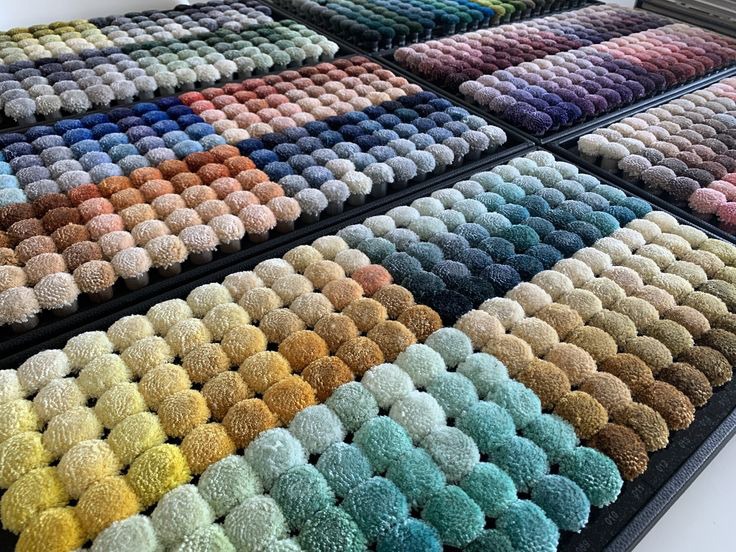 Interior designers, architects and trade buyers often require more flexibility than standard rug collections can provide. Bespoke rug services allow trade professionals to specify exact sizes, shapes, colours and materials for individual projects. This is particularly useful within luxury residential schemes, hospitality interiors and developments where every element needs to feel considered. Trade clients can also benefit from sampling support, remote consultations and colour matching guidance throughout the specification process. Being able to match rugs to Farrow & Ball, Little Greene, Pantone and RAL references makes coordination much easier across fabrics, paint, joinery and furniture. Bespoke rugs can also offer strong value compared with some traditional luxury rug retailers, helping designers deliver high-quality results while remaining commercially efficient for their clients. For trade professionals, this combination of flexibility, quality, value and service makes bespoke rug specification a valuable part of the wider design process.
Frequently Asked Questions
Are bespoke rugs more expensive than standard rugs?
Not always. While bespoke rugs are custom made, they can often offer better value than comparable pieces from traditional luxury rug retailers, depending on the material, construction and size required.
Can bespoke rugs be made in any size?
Yes, bespoke rugs can usually be made in almost any size or shape, including oversized rugs, runners, circular rugs and designs for irregular room layouts.
What is the difference between hand tufted and hand knotted rugs?
Hand knotted rugs are individually knotted by hand and are usually the most labour-intensive and durable option. Hand tufted rugs are also made by hand, but use a different technique that is generally quicker and more cost-effective.
Can rugs be colour matched to paint colours?
Yes, bespoke rugs can be colour matched to references such as Farrow & Ball, Little Greene, Pantone and RAL colours.
What materials are available for bespoke rugs?
Common material options include wool, silk, bamboo silk, viscose and recycled PET, with each material offering a different balance of softness, sheen, durability and practicality.
Are bespoke rugs suitable for children’s rooms?
Yes, children’s rugs can be made in custom sizes, colours and designs, with practical materials selected to suit everyday use.
Can I arrange a remote consultation?
Yes, remote consultations are available for clients who cannot visit the showroom or who are managing projects from another location.
Can bespoke rugs be part of a full interior design service?
Yes, bespoke rugs can be specified as part of a wider interior design service, including furniture selection, colour coordination, room planning and material guidance.